





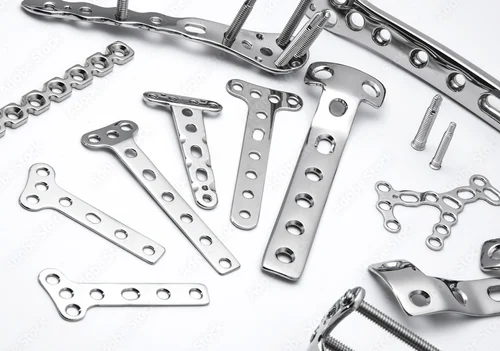
Trauma implants play a crucial role in the field of orthopedic surgery, providing essential support for the healing process of broken or damaged bones. These surgical implants are designed to stabilize fractures, correct deformities, and facilitate proper bone alignment during recovery. Understanding the various types of implants and their materials is vital for healthcare professionals and patients. Common implant materials include stainless steel, titanium alloys, and cobalt-chromium alloys, each chosen for their strength, durability, and biocompatibility.
Selecting one of the reliable orthopedic implants manufacturers is essential to ensure access to high-quality products that meet international standards. Suppliers in this region offer a range of orthopedic trauma devices tailored to different types of injuries and surgical requirements. By partnering with reputable suppliers, healthcare providers can be confident in the performance and safety of their implants.
The role of an orthopedic implants manufacturer extends beyond production; it involves ongoing research and development to innovate new solutions that improve patient outcomes. Manufacturers focus on creating advanced designs that enhance functionality while minimizing risks associated with implant use. As technology evolves, these companies continue to push boundaries by integrating cutting-edge materials and techniques into their product lines.
This commitment to innovation ensures that surgeons and patients benefit from improved surgical outcomes in treating traumatic injuries.
The Science Behind Implant Materials
The science behind implant materials is a fascinating field crucial in modern medicine. At the heart of this science is biocompatibility, which refers to the ability of a material to perform with an appropriate host response when applied as intended. Biocompatible materials are essential for ensuring implants function effectively without causing adverse reactions.
Safe implant materials must meet stringent standards to be considered medical-grade. These materials undergo rigorous testing to ensure they do not provoke immune responses, cause toxicity, or lead to inflammation. The choice of material depends on various factors, such as the type of tissue it will interact with and the mechanical demands placed on it.
In surgery, biocompatibility is paramount because it directly affects patient outcomes. For instance, titanium and its alloys are often used for orthopedic implants due to their excellent strength-to-weight ratio and compatibility with bone tissue. Similarly, polymers like polyethylene are used in joint replacements because they provide durability and flexibility while well-tolerated by surrounding tissues.
Understanding biocompatibility in surgery helps medical professionals select appropriate materials that enhance healing and improve the long-term success rates of implants. As research advances in this field, we can expect even safer and more effective medical-grade materials that will further revolutionize surgical procedures and patient care.
Materials Used in Trauma Implants and Their Applications
In trauma implants, the choice of material is crucial for ensuring both the effectiveness and longevity of surgical outcomes. Among the most commonly used materials are titanium, stainless steel, polymers, and ceramics, each offering distinct advantages suited to various medical applications.
Titanium Implants: Titanium implants are renowned for their exceptional strength-to-weight ratio and biocompatibility. Their ability to integrate well with bone makes them preferred for load-bearing applications such as joint replacements and bone fracture repairs. Additionally, titanium’s resistance to corrosion ensures durability in long-term implantations.
Stainless Steel Implants: Stainless steel implants have been a staple in surgical procedures due to their affordability and robustness. While they may not offer the same level of biocompatibility as titanium, stainless steel is highly effective in temporary fixation devices like screws and plates where high strength is required without a permanent presence in the body.
Polymer-based Implants: Polymer-based implants provide unique flexibility and can be engineered to degrade over time within the body. This feature makes them ideal for scenarios where temporary support is needed during the healing process. Polymers can also be tailored to release drugs or other therapeutic agents directly at the implantation site.
Ceramic Implants: Ceramic materials in surgery are primarily used for their hardness and wear resistance, making them suitable for joint surfaces such as hip or knee replacements. Their inert nature minimizes adverse reactions with body tissues, promoting a stable interaction over time.
Each type of material offers specific benefits that cater to different surgical needs, allowing healthcare professionals to choose the most appropriate option based on individual patient requirements and procedural goals.
Advanced Technologies for Developing New Implant Materials
In recent years, advanced technologies have significantly transformed the landscape of medical implants, paving the way for more innovative and effective solutions.
3D Printing: Among these advancements, 3D printing in medicine is a revolutionary tool that customizes implants to fit individual patient anatomy perfectly. This technology enhances the precision of surgical procedures and reduces recovery time by ensuring a better fit and integration with the body.
Nanotechnology: Nanotechnology for implants is another groundbreaking development changing how we approach implant materials. By manipulating materials at a molecular level, scientists can create surfaces that promote better cell attachment and growth, leading to improved biocompatibility and longevity of implants. This means that patients can expect longer-lasting solutions with fewer complications over time.
Integrating these advanced surgical technologies into medical practice is driving the creation of innovative medical materials that are more durable, adaptable, and efficient than ever before. These developments promise to revolutionize patient care by providing more personalized treatment options and improving overall outcomes in various surgical fields.
Surgical Considerations
In surgical decision-making, choosing the right implant material is a critical step that can significantly impact the procedure’s outcome. The selection process involves carefully evaluating several implant material selection criteria, ensuring that the chosen material aligns with clinical requirements and patient-specific factors.
Biocompatibility: One of the primary considerations in selecting an implant material is its biocompatibility. The material must be compatible with human tissue to minimize adverse reactions and ensure successful bodily integration.
Durability: Durability is another crucial factor; the implant must withstand mechanical stress over time without degrading or causing harm.
Patient-specific Factors: Patient-specific factors for implant choice also play a pivotal role in this decision-making process. These include age, activity level, and any pre-existing medical conditions that might affect how well an implant functions or how quickly it might wear out. For instance, younger patients with active lifestyles may require more robust materials to endure greater physical demands.
Allergies and Sensitivities: Surgeons must consider potential allergies or sensitivities to certain materials when planning their approach. This personalized assessment ensures optimal functionality, patient safety, and comfort post-surgery.
Selecting the right implant material involves balancing technical specifications with individual patient needs, ultimately aiming for successful surgical outcomes and enhanced quality of life for patients.




More Stories
Section 80D of the Income Tax Act: A Comprehensive Guide to Medical Insurance Tax Deductions
How to Choose the Right Healthcare Program for Your Career Goals
Alcohol Detox and Long-Term Brain Health