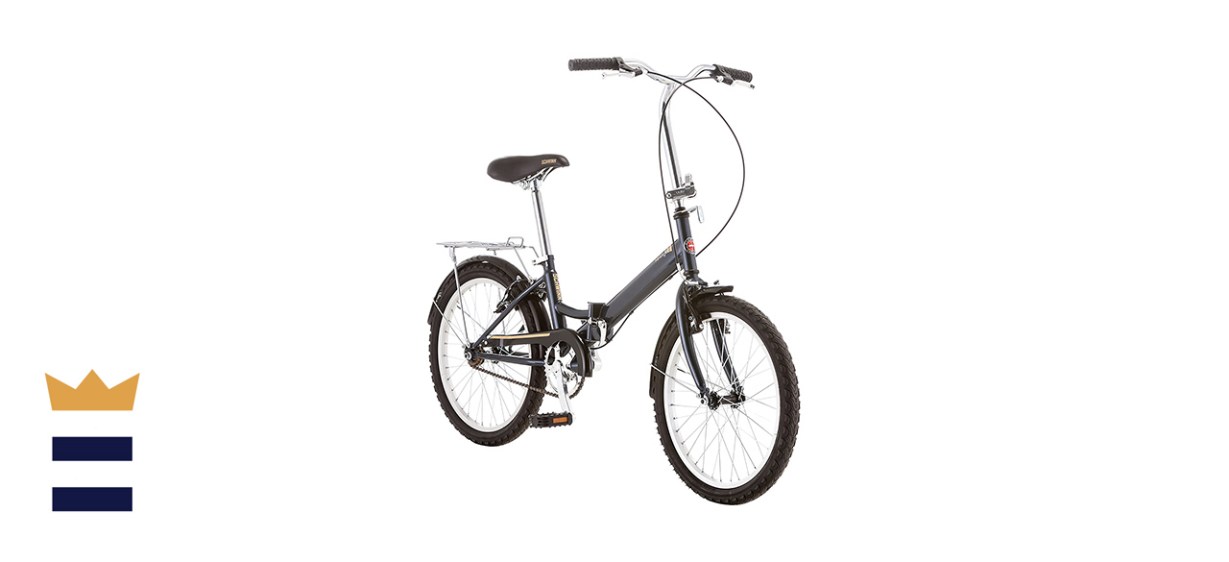
Teens benefit in many ways from regular exercise.
DEAR MAYO CLINIC: When my daughter was young, she spent hours playing outside and running around. That happens a lot less now that she is a teen. I’m worried that she is not getting enough exercise. How much does she need each week, and do you have tips to motivate her to get moving?
ANSWER: As our children grow, many parents find it a challenge to get their teens moving. Their lives are busy, and what leisure time they have often is spent in front of a screen.
But just like adults, teens benefit in many ways from regular exercise. It builds endurance, bone and muscle strength, and aerobic fitness. Exercise helps maintain a healthy weight and improve sleep. These factors are critical as teens grow and develop during their formative years.
Exercise helps teens’ mental health, as well. It releases stress-busting endorphins and lowers the body’s production of stress hormones. It improves thinking and memory skills, which help in school and social situations. Exercise also reduces the risk of depression, and helps teens feel more energetic and have a positive outlook on life.
People are also reading…
One of the biggest benefits of regular exercise for teens is that it establishes a healthy habit that sets the foundation for a lifetime of fitness. Research shows that active children and teens become healthy and active adults.
My patients motivated me to become more active. I was not a physically active teenager or adult. Watching my inactive patients struggle as they aged convinced me that I needed to do better. While I still don’t love exercise, I now run regularly. And I feel much better. It would have been so much easier, though, if I had started 30 years ago.
So how much exercise does your teen daughter need? The Department of Health and Human Services recommends that children and teens 6 and older get at least an hour a day of exercise five to six days per week.
If your daughter participates in a sport, she is probably getting enough exercise each day. But if it is the offseason or she doesn’t usually participate in sports, you may need to help her find some exercise or activity to do each week.
As part of the hour per day of exercise, the Department of Health and Human Services recommends that children and teens incorporate these types of activities at least three days per week:
- Aerobic exercise. This includes exercises like running, biking, swimming, dancing, aerobics class, using an elliptical trainer and walking.
- Muscle-strengthening. Examples include lifting weights; using resistance bands; climbing stairs; dancing; biking; and doing pushups, squats and sit-ups.
- Bone-strengthening. This could include jumping rope and running, as well as sports that involve jumping or rapid changes in direction.
Motivating teens can be a challenge, but it is possible. Here are some tips if your teen appears to be interested in sitting more and exercising less:
Model healthy exercise behaviors. You are an important role model for your daughter. She is more likely to be physically active if you make it a family priority. Talk about how great you feel after exercise, plan active vacations, schedule evening walks as a family, or go to the gym or work out together at home.
Find the fun. Exercise doesn’t need to be boring. Work together to find exercises that your daughter finds fun and interesting. Try a new sport. Play music and have a dance party in the kitchen. Explore a nature trail or bike to a local park. Try a new exercise video online. Focusing on fun will make exercise something she looks forward to instead of dreads.
Incorporate movement into daily routines. Don’t forget that every bit counts. Encourage your daughter to take a walk with friends during lunch, use the stairs instead of the elevator or park the car at the back of the lot. These are ways that you can model healthy habits, as well.
Make it social. Exercising with others keeps people motivated and inspired, and teens are no exception. Encourage her to join a team with friends or schedule a regular pickup basketball game with the neighbors.
Cheer them on. Notice and compliment your daughter when she exercises. Everyone likes to hear they are doing a good job, even teens who roll their eyes. Applaud her for her efforts and remind her that slow and steady progress is a good way to sustain healthy habits.
Tie exercise to other interests. Not every teen wants to join a sports team, but movement can be incorporated into other activities. If your daughter enjoys photography, explore hiking trails or parks for opportunities. Teens who love to read may be interested in biking to multiple bookstores, or animal-loving teens could volunteer as a dog walker at a local humane association.
Remember to check with your daughter’s primary care provider about any concerns you have before she starts a new exercise program, especially if she has a chronic health condition, like epilepsy, diabetes or asthma. — Kimberly Beecher, M.D., Family Medicine, Mayo Clinic Health System, St. Peter, Minnesota
8 strategies to help maintain strength as you age
Invest in a trainer

A licensed and credentialed trainer can design a personalized program and teach you proper form and technique. Get referrals from local gyms, and many trainers now offer virtual workouts. After you learn the basics, you can work out on your own.
Get free

Training with free weights, like dumbbells, kettlebells and barbells, is often better for muscle building than machines, Shawn Pedicini, a physical therapist at Harvard-affiliated Spaulding Rehabilitation Hospital, says. “However, machines are ideal if you have balancing issues or other limitations that make it safer to sit during weight training,” he says. You can also go back and forth between free weights and machines depending on the type of exercise and which muscles you are working on.
Leg up

While you need full-body workouts that address all your major muscles, older adults should pay special attention to their leg muscles: quadriceps and hamstrings (in the thighs), the gluteals (in the buttocks) and the calf muscles. “These are involved in many daily functional movements like squatting and climbing stairs,” Pedicini says. Compound exercises that work different muscles in one movement — like squats, deadlifts and lunges — are great for building leg muscles.
Weight, reps, sets

Pedicini says fewer reps with heavier weights helps you gain the most muscle. “An ideal routine would be eight repetitions for each exercise for three sets total.” But you can adjust this as needed. “People with movement issues might need to use lighter weights and do more repetitions.”
Find your tempo

Lifting should be done at a seven-second tempo. That means three seconds to lift the weight, a one-second pause and three seconds to lower it. If you can’t lift the weight at least eight times, use a lighter weight. When you can comfortably perform eight reps without completely tiring the muscle, increase the weight. “Muscles grow stronger only if you keep adding resistance,” Pedicini says.
Two days is plenty

Ideally, you should do weight training at least twice a week. “Two days of full-body training can produce measurable changes in muscle strength,” Pedicini says. You often can feel results after four to six weeks of consistent training.
Give it a rest

Always allow at least 48 hours between sessions for muscle recovery. Some people prefer to break their workouts into two parts: upper body and lower body. In that case, you can perform upper-body exercises one day and lower-body the next.
Always raise the bar

Use enough weight so that the last few reps of a lifting routine are challenging.
“Don’t forget to consistently challenge yourself as you progress,” Pedicini says. “It’s necessary to gain the muscle and strength changes you want and need.”
Mayo Clinic Q & A is an educational resource and doesn’t replace regular medical care. E-mail a question to MayoClinicQ&A@mayo.edu. For more information, visit www.mayoclinic.org.