Navigating US AI Ethics: What You Need to Know Artificial Intelligence (AI) is revolutionizing industries across the globe, with the United States leading the charge in its development and implementation. From autonomous vehicles to predictive algorithms in healthcare, the impact of AI on our daily lives is undeniable. Yet, with great power comes great responsibility. As AI technologies become more integrated into society, the ethical considerations surrounding their use are growing more complex and urgent. Understanding US AI ethics is crucial for both developers and consumers to ensure that this technology serves humanity in a fair, transparent, and responsible way.
The Surge of AI: Opportunities and Challenges
AI has proven to be a game-changer in numerous sectors, from automating mundane tasks to offering groundbreaking advancements in areas like medicine and finance. In the United States, innovation is at the forefront, with tech giants and research institutions driving forward-thinking solutions. However, this rapid development also brings with it significant challenges.
AI systems, designed to learn from vast datasets, can make decisions that deeply affect individuals’ lives. This reliance on AI raises a crucial question: How can we ensure that AI systems adhere to ethical guidelines, especially in a country as diverse and dynamic as the United States?
The Essence of US AI Ethics
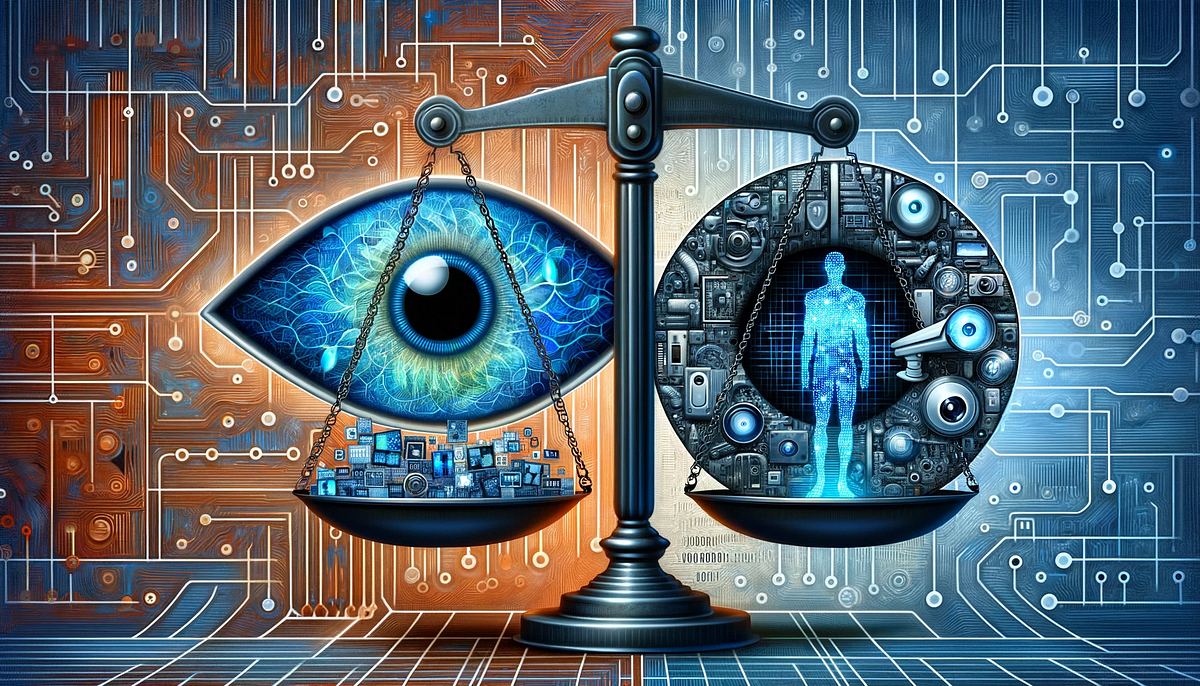
As these technologies advance, ethical concerns regarding privacy, accountability, and bias become increasingly prevalent. Striking a balance between technological innovation and the protection of fundamental human rights is critical for the sustainable growth of AI in the US.
The Role of Bias in AI Systems
One of the most significant challenges in US AI ethics is the issue of bias. AI systems are not immune to the prejudices present in the data on which they are trained. If the data reflects existing biases—whether racial, gender-based, or socioeconomic—AI algorithms can inadvertently perpetuate these biases, leading to unfair outcomes.
Take, for instance, the case of facial recognition technology. Research has shown that AI systems used for facial recognition are less accurate at identifying individuals with darker skin tones, leading to higher rates of false positives. In the context of US AI ethics, this poses a significant concern for the equitable application of AI technologies. If left unchecked, biased AI systems can lead to systemic inequalities, especially in sectors like law enforcement, hiring, and healthcare.
Privacy: A Growing Concern in the Age of AI
In the age of AI, privacy has become one of the most contested ethical issues. AI technologies often require vast amounts of data to function effectively, and this data can include personal, sensitive information. Whether it’s a health record, a shopping habit, or an online search history, AI systems process enormous amounts of data that could potentially infringe on an individual’s right to privacy.
This is where US AI ethics intersects with the question of data protection. While the US lacks a comprehensive, nationwide data privacy law, individual states like California have taken steps to protect consumers’ privacy with regulations like the California Consumer Privacy Act (CCPA). These state-level measures are a step in the right direction but are far from sufficient on their own.
The future of US AI ethics will rely heavily on the creation of federal regulations that set clear standards for how AI can collect, store, and process personal data.
Accountability in AI Decision-Making
As AI systems become more autonomous, the question of accountability becomes even more critical. In many cases, AI systems are capable of making decisions without direct human oversight, which raises the issue of responsibility. If an AI system makes an error—whether it’s a misdiagnosis in healthcare or an unjustified loan denial—who is liable?
In US AI ethics, defining accountability is not always straightforward. For example, in the case of autonomous vehicles, if an accident occurs, should the blame fall on the manufacturer, the developer of the AI system, or the vehicle owner?
To navigate this issue, it’s crucial that AI developers and organizations are held responsible for the decisions their systems make. Clear protocols should be in place for addressing mistakes, ensuring that those affected by AI errors have a pathway to seek justice.
Economic Impacts: Job Displacement and AI
Another pressing issue in US AI ethics is the economic impact of AI, particularly in terms of job displacement. AI technologies are capable of automating many tasks previously performed by humans, which could lead to significant disruptions in the job market. From self-checkout kiosks replacing cashiers to algorithms managing stock portfolios, AI has the potential to render entire industries obsolete.
While AI can enhance productivity and efficiency, the economic consequences are far-reaching. The automation of jobs threatens to leave millions of workers unemployed or underemployed, creating a growing divide between those who benefit from AI and those who are displaced by it.
Addressing these economic challenges is a key aspect of US AI ethics. As the job market evolves, it’s crucial that the US invests in workforce development programs to help individuals acquire new skills suited for the AI-driven economy. Governments, businesses, and educational institutions must collaborate to ensure that workers are not left behind as AI continues to shape the future of work.
Regulation: The Need for a Unified Framework
As AI technologies advance, there is a pressing need for comprehensive regulation to ensure that AI development aligns with ethical standards. Currently, the regulatory landscape in the US is fragmented, with different states and industries implementing their own AI-related policies. This lack of consistency creates confusion and leaves gaps in protection.
To strengthen US AI ethics, federal regulations are necessary. These regulations should focus on key areas such as transparency, fairness, accountability, and privacy. One example is the National Artificial Intelligence Initiative Act, which aims to coordinate AI research and development efforts across federal agencies while ensuring that ethical considerations are at the forefront.
Additionally, the involvement of ethics boards and advisory panels in the AI development process is crucial. These groups can offer guidance on how to design and deploy AI technologies in ways that prioritize ethical principles and human welfare.
The Global Dimension of US AI Ethics
While US AI ethics is a national concern, it’s important to recognize that AI development is a global issue. As AI technologies spread across borders, there is a growing need for international cooperation in establishing common ethical standards. Countries like the European Union have already implemented strict regulations for AI, focusing on privacy, fairness, and transparency.
For the US to remain a leader in AI while maintaining high ethical standards, collaboration with other countries is essential. By aligning global AI governance frameworks, we can ensure that AI is developed in ways that benefit humanity as a whole, not just individual nations or corporations.
Moving Forward: Embracing the Future of US AI Ethics
The future of US AI ethics is bright, but only if we approach it with a sense of responsibility and foresight. As AI continues to evolve, so too must the ethical frameworks that govern it. By fostering collaboration between policymakers, tech developers, and the public, we can create a future where AI enhances society in a way that is equitable, transparent, and fair.
Ultimately, navigating US AI ethics requires a delicate balance. As the technology evolves, so too must our understanding of the ethical challenges it presents. By prioritizing ethical principles such as fairness, accountability, and privacy, we can ensure that AI is used for the greater good, rather than at the expense of vulnerable populations. The goal should not simply be to innovate for innovation’s sake, but to ensure that AI benefits everyone—regardless of background, identity, or socio-economic status.
Conclusion
The challenges of US AI ethics are vast, but they are not insurmountable. By addressing issues of bias, privacy, accountability, and economic displacement, the United States can lead the way in ethical AI development. The key to navigating this complex landscape is proactive regulation, thoughtful consideration of the human impact of AI, and a commitment to transparency and fairness. Through careful stewardship, AI can become a force for good, revolutionizing industries while upholding the values of justice, equality, and respect for human dignity.