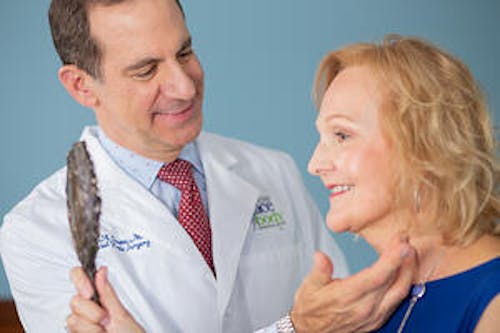
Receiving a cancer diagnosis is undoubtedly one of the most challenging moments in a person’s life. It can feel isolating, overwhelming, and filled with uncertainty. Amidst the swirling emotions and complex medical information, it’s comforting to know that you don’t have to face this journey alone. Modern cancer care is a highly collaborative effort, involving a dedicated team of specialists all working together to support your healing and well-being.
Understanding who these professionals are and their specific roles can empower you as a patient, giving you clarity and confidence in the comprehensive support system surrounding you. It’s about building trust in your personal army of experts, each playing a vital part in your fight against cancer.
The Medical Oncologist: Your Treatment Navigator
At the heart of your cancer care services is often the medical oncologist. This doctor specializes in diagnosing and treating cancer using medical therapies like chemotherapy, targeted therapy, immunotherapy, and hormone therapy. They are typically your primary point of contact and serve as the overall “captain” of your treatment plan.
Your medical oncologist will interpret diagnostic tests, explain your specific cancer type and stage, and recommend the most appropriate medical treatments. They will also manage any side effects, monitor your progress, and coordinate with other specialists on your team. They are your navigator through the complex world of cancer treatments, ensuring your medical regimen is tailored to your unique needs.
The Surgeon: The Specialist Who Removes the Disease
For many types of cancer, surgery is a crucial component of treatment. This is where your surgical oncologist comes in. They specialize in performing operations to remove cancerous tumors and surrounding affected tissue. Their goal is often to remove as much of the cancer as possible, and sometimes they may also perform biopsies to help with diagnosis or procedures for symptom relief.
Depending on the type of cancer, you might work with different surgical specialists, such as a breast surgeon, a colorectal surgeon, or a head and neck surgeon. They meticulously plan and execute the surgical removal, playing a direct role in eliminating the disease from your body.
The Radiation Oncologist: Precision Treatment with Radiation
If your treatment plan includes radiation therapy, you’ll work closely with a radiation oncologist. This specialist uses high-energy rays to target and destroy cancer cells or shrink tumors. They precisely map out the treatment area, ensuring the radiation is delivered accurately while minimizing damage to surrounding healthy tissue.
Radiation therapy can be used as a primary treatment, before or after surgery, or for palliative care to relieve symptoms. Your radiation oncologist will determine the exact type, dosage, and duration of radiation therapy, overseeing your daily treatments and managing any potential side effects.
Beyond the Doctors: Essential Support Professionals
While the oncologists and surgeons lead the medical charge, a robust support team is vital for holistic cancer care. This includes a wide array of professionals who address every aspect of your well-being:
- Oncology Nurses: They are often your most frequent point of contact, providing hands-on care, administering treatments, educating you about side effects, and offering emotional support.
- Oncology Dietitians: They help manage nutritional challenges that cancer and its treatments can cause, ensuring you get the right nutrients to maintain strength.
- Social Workers: They provide emotional support, connect you with community resources, and help navigate financial or logistical challenges.
- Physical Therapists: They assist with regaining strength and mobility, managing fatigue, and addressing physical limitations from treatment.
- Psychologists/Counselors: They offer crucial support for coping with the emotional toll of cancer, addressing anxiety, depression, and stress.
This comprehensive approach to cancer care services is a hallmark of reputable institutions where multidisciplinary teams collaborate for patient benefit.
Conclusion: Your Network of Healing and Hope
A cancer diagnosis can feel overwhelming, but remember that you are not alone in this fight. You have a dedicated and expert cancer care team on your side, working collaboratively to guide you through every step of your journey.
From the medical oncologists, surgeons, and radiation oncologists who directly combat the disease, to the compassionate nurses, dietitians, social workers, and therapists who support your physical and emotional well-being, each specialist plays a vital role. Embracing this team approach provides clarity, comfort, and the powerful reassurance that you have a comprehensive network of healing and hope supporting you through your cancer journey.