
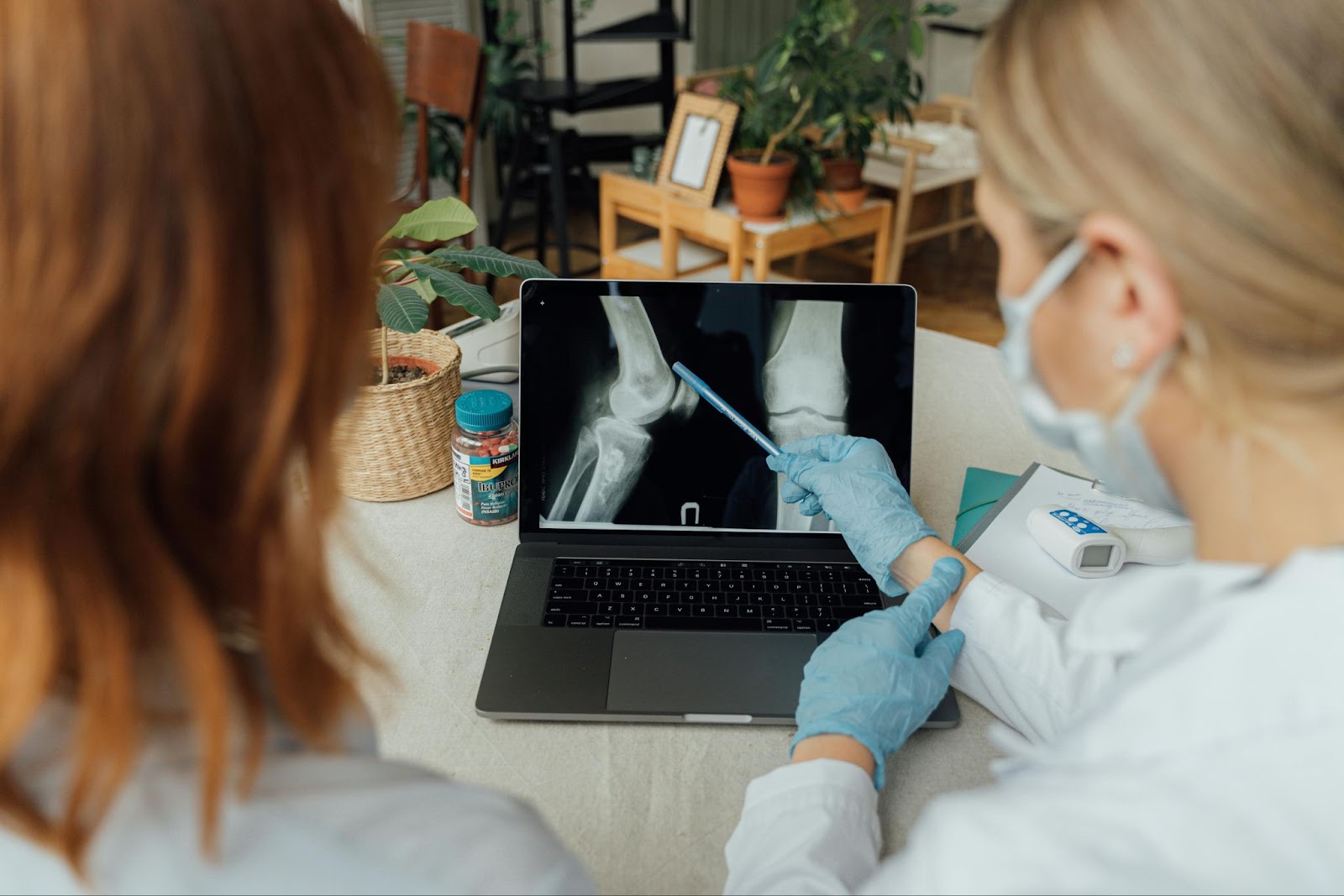
Experiencing pain, stiffness, or limited mobility in your bones, joints, muscles, or ligaments can be incredibly frustrating. It impacts everything from your ability to enjoy daily activities to your overall quality of life. When these issues arise, you might think immediately of an orthopedic surgeon. And while surgeons play a vital role, modern orthopedic care is rarely a solo act.
Instead, it’s a highly collaborative effort, involving a dedicated team of specialists who work together to diagnose your condition, provide comprehensive treatment, and guide you through recovery. Understanding who these professionals are and their specific expertise can empower you as a patient, giving you confidence in the holistic support system designed to get you moving freely again.
The Orthopedic Surgeon: The Specialist for Complex Issues
At the forefront of many orthopedic journeys is the orthopedic surgeon. These doctors specialize in the diagnosis, treatment, prevention, and rehabilitation of disorders, injuries, and diseases of the musculoskeletal system. While they are trained to perform surgery, their role extends far beyond the operating room.
They often provide non-surgical treatments like injections, prescribe medications, and order physical therapy. Surgery becomes an option when non-surgical methods haven’t yielded sufficient results, or for conditions like severe fractures, advanced arthritis requiring joint replacement, or complex spinal issues. Your surgeon will meticulously assess your condition and determine if a surgical intervention is the most appropriate path for your recovery.
The Physical Therapist: Your Partner in Movement and Rehabilitation
The physical therapist (PT) is an indispensable member of your orthopedic team. They are experts in movement and function. Whether you’re recovering from surgery, managing chronic pain, or rehabilitating a sports injury, your PT will design a personalized exercise program aimed at reducing pain, improving strength, increasing flexibility, and restoring your range of motion.
They use a variety of techniques, including therapeutic exercises, manual therapy (hands-on techniques), and modalities like heat or cold therapy. Physical therapists also play a crucial role in patient education, teaching you proper body mechanics and exercises to perform at home, empowering you to actively participate in your recovery and prevent future injuries.
The Sports Medicine Doctor: Specializing in Active Lifestyles
For athletes or individuals with active lifestyles, a sports medicine physician often plays a critical role. While also trained in orthopedics, these doctors specialize in the prevention, diagnosis, and non-surgical treatment of injuries related to physical activity. They understand the unique demands placed on the body during sports and can help individuals return to their activities safely and effectively.
They might focus on issues like sprains, strains, tendonitis, and overuse injuries, often working closely with physical therapists to develop comprehensive rehabilitation plans. Their goal is to get you back in the game, or simply back to your active life, as quickly and safely as possible.
The Pain Management Specialist: Conquering Chronic Discomfort
For those grappling with persistent or chronic pain, a pain management specialist can be a vital ally. These doctors focus on diagnosing and treating various types of pain, often using a multidisciplinary approach. They might utilize injections (like nerve blocks or epidurals), prescribe specific medications, or explore alternative therapies to help control discomfort that might not be fully addressed by other orthopedic interventions.
Their expertise is crucial in developing a comprehensive pain management plan that allows you to participate more fully in physical therapy and daily life, ultimately improving your quality of life.
The Comprehensive Support Network: A Holistic Approach
Beyond these core specialists, your orthopedic care team can include a range of other professionals. This might involve occupational therapists who help you adapt to daily tasks, rehabilitation specialists, nurses who provide hands-on care and education, and even social workers who assist with practical or emotional challenges. Many leading institutions understand the importance of this integrated approach to orthopedic care, ensuring patients receive comprehensive support.
Conclusion: Moving Towards a Healthier, More Active Future
When facing a bone, joint, or muscle issue, remember that you’re not navigating it alone. Your orthopedic care team is a dedicated network of highly specialized professionals, each contributing their unique expertise to your diagnosis, treatment, and recovery.
By understanding the roles of orthopedic surgeons, physical therapists, sports medicine doctors, pain management specialists, and other support staff, you can confidently engage with your team, knowing you have a comprehensive network working together to reduce your pain, restore your function, and help you move towards a healthier, more active future.
